
Solo camping offers quiet, independence, and a deeper connection with nature, but it also requires careful preparation and smart decision-making. Without a companion to share responsibilities, every safety step becomes more important, from navigation to power management. Small problems like a dead phone battery or a poorly chosen campsite can feel much bigger when alone. Thoughtful planning and the right equipment help turn a first solo trip into a positive and confidence-building experience. In this article, essential safety strategies and practical gear choices are explained to help beginners camp alone with greater comfort and security.
1. Plan Your Trip and Share Details
Choose a Familiar, Popular Campsite
Selecting the right location is one of the most important safety decisions for a solo camper. Well-known campgrounds or established backcountry sites usually have clearer trails, marked areas, and occasional foot traffic. These features make navigation easier and reduce the chances of getting lost. Popular areas may also have better cell signal or nearby rangers, which can provide additional reassurance. Starting with a familiar environment allows beginners to focus on learning skills rather than dealing with unnecessary risks.
Leave Your Itinerary with Someone You Trust
Sharing trip details with a reliable contact adds an important layer of protection. Information such as campsite location, planned hiking routes, and expected return time helps others know when to check in. If weather changes or an injury delays the return, this record ensures someone can alert authorities if needed. Clear communication before departure turns a solo trip into a safer, monitored adventure. This simple step takes only minutes but can make a major difference in an emergency.
2. Pack Core Safety and Power Gear
Bring a Portable Power Station for Charging
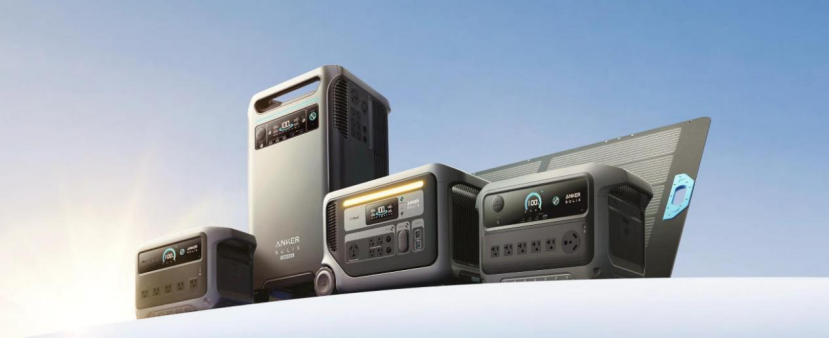
Reliable access to electricity supports communication, lighting, and navigation tools during solo trips. A compact portable power station can recharge phones, headlamps, and GPS devices multiple times without relying on vehicle batteries. Models such as Anker SOLIX Portable Power Stations are designed with sturdy handles, multiple output ports, and battery management systems that help deliver steady power in outdoor conditions. Their quiet, fume-free operation makes them suitable for tent areas and campsites where fuel generators would be unsafe or disruptive. Including this type of power source reduces stress about running out of battery when it matters most.
Carry Navigation Tools and an Emergency Beacon
Technology is helpful, but it should never be the only navigation method. A physical map and compass remain reliable even if electronics fail or signals disappear. Learning basic navigation skills before the trip builds confidence and prevents panic if a trail becomes unclear. An emergency beacon or personal locator device adds another level of security by allowing distress signals to reach rescue services in remote areas. Combining traditional and electronic tools creates a stronger safety net.
3. Set Up a Secure Campsite
Arrive Early to Set Up in Daylight
Daylight makes campsite selection and setup far safer and easier. Arriving with enough time to pitch a tent, organize gear, and gather water before dark reduces mistakes. Hazards such as uneven ground, low branches, or insect nests are easier to spot in good light. Early setup also leaves time to rest, eat, and review plans for the next day. A calm evening routine supports better sleep and a more enjoyable solo experience.
Store Food Properly and Manage Campfires Safely
Food storage plays a major role in campsite safety and cleanliness. Sealed containers or proper hanging methods help keep wildlife away from sleeping areas. Even small food scraps can attract animals that create noise, damage gear, or pose risks. Campfires, if permitted, should be kept small and fully extinguished before sleep or departure. Responsible food and fire practices protect both the camper and the surrounding environment.
4. Manage Power for Safety and Comfort
Use Your Power Station for Lights and Communication
Consistent lighting improves safety after sunset by reducing trips and falls around camp. A power station can recharge lanterns and headlamps, ensuring clear visibility for cooking, organizing gear, or late-night bathroom trips. Keeping a phone charged also allows access to maps, weather updates, and emergency contacts when signals are available. Reliable power supports both physical safety and peace of mind during quiet nights alone. Simple access to electricity can make an unfamiliar environment feel more manageable.
Conserve Battery with Smart Usage Habits
Efficient energy use extends the usefulness of any portable power source. Charging devices during the day and switching them to low-power or airplane mode when not needed helps stretch available capacity. Limiting high-wattage appliances and focusing on essentials like lights and communication tools prevents unnecessary drain. Monitoring battery levels regularly avoids surprises at critical moments. Thoughtful habits ensure power remains available for true needs rather than temporary convenience.
5. Stay Alert and Build Experience
Be Aware of Your Surroundings and Weather
Situational awareness is a key skill for solo campers. Observing weather patterns, trail conditions, and changes in the environment helps prevent small issues from becoming serious problems. Sudden temperature drops, rising winds, or darkening clouds can signal the need to adjust plans early. Listening for unusual sounds and keeping gear organized also supports faster responses if action is needed. Awareness builds confidence and helps maintain control in changing conditions.
Start with Short Trips to Gain Confidence
Experience grows best through gradual challenges. Beginning with overnight or weekend trips close to home allows skills to develop without overwhelming pressure. Each outing provides lessons about gear choices, packing methods, and personal comfort limits. As familiarity increases, longer or more remote trips become safer and more enjoyable. A steady progression turns solo camping from a daunting idea into a rewarding and empowering activity.
Conclusion
Solo camping combines freedom and responsibility in equal measure. Careful planning, clear communication, and thoughtful gear choices form the foundation of a safe trip. Reliable power, good campsite habits, and strong awareness skills help prevent common problems from escalating. Building experience slowly allows confidence to grow alongside practical outdoor knowledge. With preparation and steady learning, solo adventures can be both secure and deeply fulfilling.